India has long been a manufacturing powerhouse, but 2026 is turning out to be a defining year for exporters. Stricter international standards, buyer-side due diligence requirements, and growing sensitivity around labor rights are pushing businesses to either comply or lose their market access. At the center of this shift is the critical role of a BSCI certification consultant in helping Indian manufacturers align with what global buyers now demand, right from the very first order.
From textile factories in Surat and Silvassa to auto-ancillary units in Noida and Faridabad, businesses across India are waking up to a harsh reality: labor compliance is no longer optional. The consequences of ignoring forced labor compliance for businesses are now measured not just in fines, but in cancelled export contracts and lost buyer relationships that took years to build.
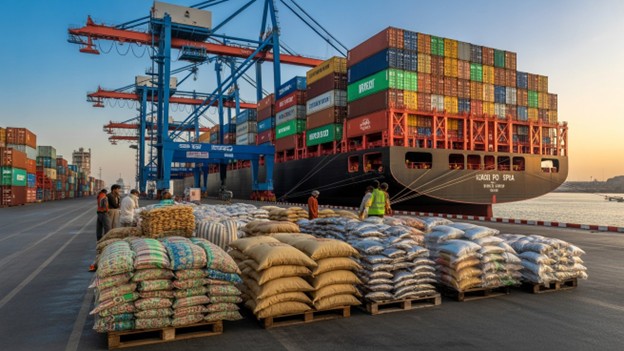 The global regulatory environment has changed dramatically over the past 24 months. The US Uyghur Forced Labor Prevention Act, the EU Corporate Sustainability Due Diligence Directive (CSDDD), and the UK Modern Slavery Act have collectively raised the bar for supply chain transparency. For Indian exporters, the pressure is not coming from local regulators alone. It is coming directly from the buyers themselves.
Buyers in the US, Germany, France, and the UK are now legally required to verify that the goods they import are not produced using forced labor. That responsibility is being passed down the supply chain. So if you are a garment exporter in Ahmedabad or a home furnishings manufacturer in Gurgaon, your international buyer will ask you to demonstrate compliance, or they will move on to someone who can.
The global regulatory environment has changed dramatically over the past 24 months. The US Uyghur Forced Labor Prevention Act, the EU Corporate Sustainability Due Diligence Directive (CSDDD), and the UK Modern Slavery Act have collectively raised the bar for supply chain transparency. For Indian exporters, the pressure is not coming from local regulators alone. It is coming directly from the buyers themselves.
Buyers in the US, Germany, France, and the UK are now legally required to verify that the goods they import are not produced using forced labor. That responsibility is being passed down the supply chain. So if you are a garment exporter in Ahmedabad or a home furnishings manufacturer in Gurgaon, your international buyer will ask you to demonstrate compliance, or they will move on to someone who can.
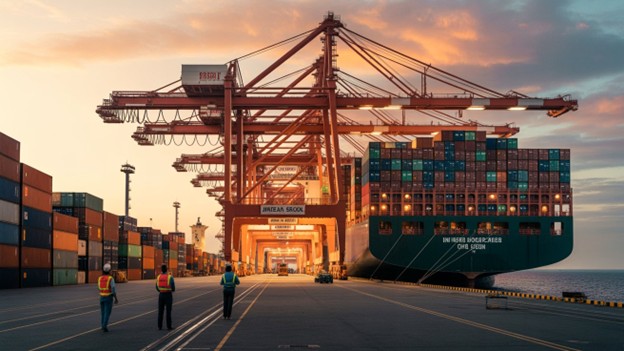 Let us be direct about the business consequences. In 2025 alone, over 40 Indian garment and textile exporters reportedly lost European buyer contracts because they could not produce valid social compliance documentation. This is not just a headline; it is a pattern that is accelerating into 2026.
forced labor laws for exporters now create very specific risks. Let us break these down:
Let us be direct about the business consequences. In 2025 alone, over 40 Indian garment and textile exporters reportedly lost European buyer contracts because they could not produce valid social compliance documentation. This is not just a headline; it is a pattern that is accelerating into 2026.
forced labor laws for exporters now create very specific risks. Let us break these down:
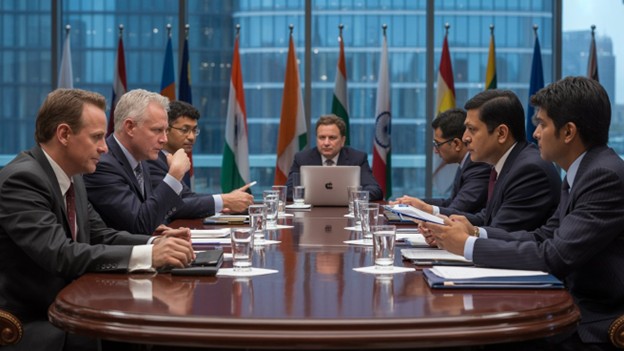 Understanding global forced labor laws matters deeply for any business still in a ‘wait and see’ mode.
Why 2026 Is a Turning Point for Indian Exporters
The global regulatory environment has changed dramatically over the past 24 months. The US Uyghur Forced Labor Prevention Act, the EU Corporate Sustainability Due Diligence Directive (CSDDD), and the UK Modern Slavery Act have collectively raised the bar for supply chain transparency. For Indian exporters, the pressure is not coming from local regulators alone. It is coming directly from the buyers themselves.
Buyers in the US, Germany, France, and the UK are now legally required to verify that the goods they import are not produced using forced labor. That responsibility is being passed down the supply chain. So if you are a garment exporter in Ahmedabad or a home furnishings manufacturer in Gurgaon, your international buyer will ask you to demonstrate compliance, or they will move on to someone who can.
What These Regulations Actually Mean for Your Factory Floor
Understanding global forced labor laws requires looking beyond just one framework. Here is what exporters must know:- Workers must be employed voluntarily, with freedom to leave at any time.
- Debt bondage, wage withholding, and document retention are strictly prohibited.
- Working hours must comply with local labor laws and international benchmarks (ILO conventions).
- Contract workers, migrant workers, and home-based workers must receive equal protections.
- Grievance mechanisms must be in place and accessible to all workers.
The BSCI Framework and How It Addresses Forced Labor
The Business Social Compliance Initiative (BSCI), now operating under amfori, is one of the most widely recognized social compliance frameworks in global trade. It was specifically designed to help European buyers ensure that their supply chains are free from labor abuse, including forced labor, child labor, and unsafe working conditions. BSCI forced labor prevention standards require suppliers to actively demonstrate that workers are not coerced, that their wages and contracts are transparent, and that working hours are within permissible limits. A BSCI audit evaluates all of these areas and assigns a rating, and that rating directly determines whether a buyer will continue sourcing from you. Getting from audit readiness to a positive score is not simple. It involves documentation, policy creation, worker training, and often, significant internal restructuring. This is why manufacturers in industrial hubs like Noida, Gurgaon, and Faridabad are increasingly turning to experienced compliance advisors for support.What Does the BSCI Audit Actually Examine?
For any Indian supplier preparing for their first audit, here is a quick look at what auditors focus on:- Freedom of association and right to collective bargaining.
- No discrimination on gender, caste, religion, or origin.
- Fair remuneration and timely payment of wages.
- Decent working hours and proper rest periods.
- Workplace health, safety, and occupational standards.
- Prohibition of all forms of forced or bonded labor.
Business Impact: What Indian Exporters Are Facing Right Now
Let us be direct about the business consequences. In 2025 alone, over 40 Indian garment and textile exporters reportedly lost European buyer contracts because they could not produce valid social compliance documentation. This is not just a headline; it is a pattern that is accelerating into 2026.
forced labor laws for exporters now create very specific risks. Let us break these down:
- Order cancellations: Buyers pull orders when suppliers fail compliance audits with no prior warning.
- Shipment detentions: US Customs and Border Protection (CBP) has the authority to detain shipments suspected of being produced using forced labor.
- Reputational damage: Being blacklisted by one buyer often results in rejection by others, especially in Europe.
- Legal exposure: As India aligns its own labor laws more closely with ILO standards, local non-compliance is also becoming costlier.
Gujarat and Delhi NCR: Two Industrial Zones at the Forefront
Two regions are particularly exposed to these changes: Gujarat and the Delhi NCR belt. Gujarat: Cities like Surat, Ahmedabad, and Silvassa are among India’s largest exporters of textiles, chemicals, diamonds, and plastics. Silvassa, in particular, hosts hundreds of small and medium manufacturers who supply to global buyers but often lack the internal HR and compliance structures that international audits demand. Surat’s textile units are under increasing scrutiny from EU buyers, and Ahmedabad’s pharmaceutical and apparel exporters are already being asked to provide BSCI or SA 8000 compliance reports before contracts are signed. Delhi NCR: Manufacturing units spread across Noida, Gurgaon, and Faridabad form the backbone of India’s export economy in the north. Noida’s electronics and garment exporters, Gurgaon’s automotive suppliers, and Faridabad’s industrial manufacturers are all finding it harder to compete without social compliance credentials. Buyers from the UK, Germany, and Scandinavia specifically ask for documented proof of labor rights compliance.The BSCI Certification Process: Step by Step for Indian Manufacturers
Many exporters hesitate because they believe the BSCI process is overwhelming. In practice, working with a qualified BSCI certification process consultant in Delhi NCR or Gujarat breaks it down into manageable phases:- Phase 1 – Gap Assessment: Reviewing your current HR policies, worker contracts, wage records, and safety protocols against BSCI standards.
- Phase 2 – Documentation and Policy Development: Drafting or upgrading all required documents including a Code of Conduct, grievance mechanisms, and training materials.
- Phase 3 – Worker Training: Ensuring that all workers, including contract and seasonal staff, are aware of their rights and the company’s policies.
- Phase 4 – Pre-Audit Mock Review: Simulating the actual audit to identify and correct any remaining gaps before the official visit.
- Phase 5 – Audit Support and Corrective Action: Accompanying or guiding the supplier through the official audit and managing any Corrective Action Plans (CAPs) afterward.
Why Expert Guidance Makes All the Difference
A lot of manufacturers attempt to self-prepare for BSCI audits and end up with D or E ratings because they misjudge what auditors are actually looking for. Worker interviews, document trails, and wage calculation methods all carry specific requirements that go well beyond what a standard HR manual will cover. This is exactly where BSCI compliance consultancy services in Delhi NCR play a pivotal role. Consultants who have hands-on audit experience know the difference between a policy that exists on paper and one that actually functions on the factory floor. They have worked with auditors from SGS, Bureau Veritas, and Intertek and understand how scoring decisions get made. Similarly, in Gujarat, experienced BSCI forced labor prevention advisors are helping manufacturers in Surat and Silvassa understand that compliance is not about adding paperwork. It is about creating systems that genuinely protect workers and can withstand independent scrutiny.Global Forced Labor Laws and Their Direct Relevance to Indian Trade
Understanding global forced labor laws matters deeply for any business still in a ‘wait and see’ mode.
- The US UFLPA (Uyghur Forced Labor Prevention Act): Applies a rebuttable presumption, meaning goods are assumed to be made with forced labor unless the importer proves otherwise.
- The EU CSDDD: Requires companies with over 1,000 employees or EUR 450 million in turnover to conduct human rights due diligence across their supply chains. This means their Indian suppliers are also in scope.
- Germany’s Supply Chain Act (LkSG): Already in force for large companies, it requires human rights risk assessments for all overseas suppliers, including India.
- UK Modern Slavery Act: Requires reporting on supply chain slavery risks, and buyers failing to do so face reputational and legal consequences.
How Indian Businesses Should Respond: A Strategic Perspective
The instinct of many business owners is to treat compliance as a cost. That framing is outdated. In 2026, compliance is market access. Here is how forward-thinking exporters are approaching it:- Treat social compliance as a competitive advantage, not just a regulatory checkbox.
- Proactively get BSCI-rated even before a buyer requests it, as this places you ahead of suppliers still scrambling to comply.
- Conduct internal labor audits every 6 months to avoid surprises during official audits.
- Train your HR team on the specific requirements of global buyers, not just local labor laws.
- Document everything: worker interviews, wage records, safety drills, and grievance submissions.